
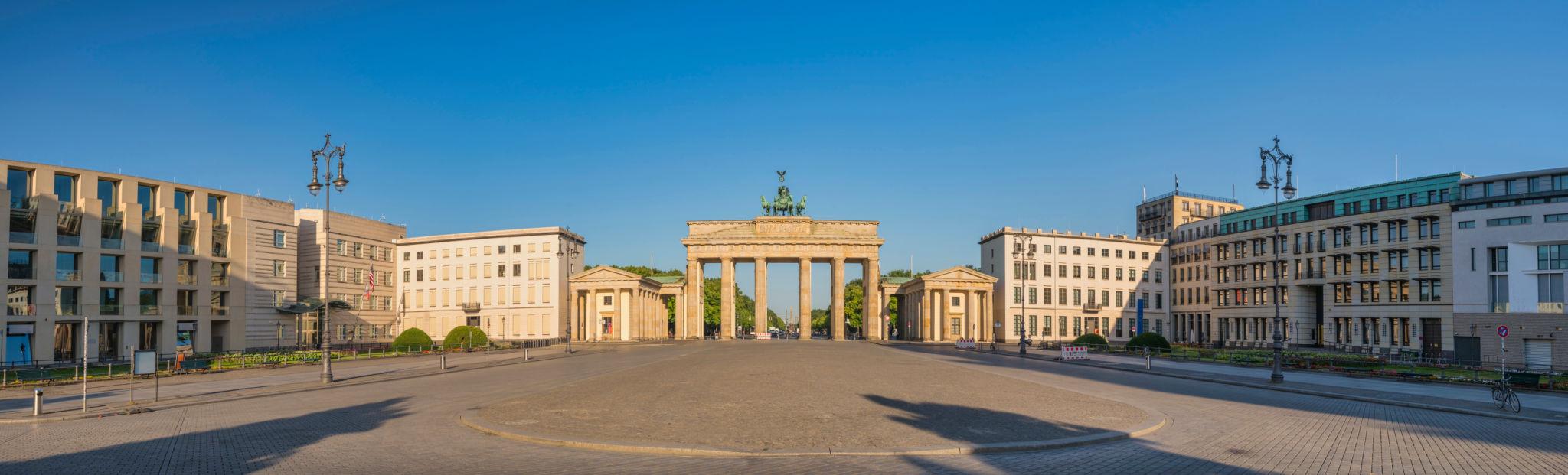
Study in the Germany
Tuition-free education, globally respected degrees, and excellent post-study career opportunities in Europe.
Why Study in the Germany
- Tuition-free or very low tuition at public universities
- Globally recognised degrees with strong academic reputation
- Wide range of English-taught and German-taught programs
- Strong economy with excellent job opportunities
- High quality of life and student-friendly environment

🎓 Undergraduate Programs
- Duration: 3 – 4 years
- Entry: 12th standard + foundation/Studienkolleg (if required)
- Language: German or English (depends on program)
📘 Postgraduate Programs
- Duration: 1.5 – 2 years
- Entry: Bachelor’s degree
- Many English-taught Master’s programs available
📅 Germany Intakes
- Winter Intake (October) – Main intake
- Summer Intake (April) – Limited programs
Top Universities in the Germany
- Technical University of Munich (TUM)
- Ludwig Maximilian University of Munich (LMU)
- Heidelberg University
- RWTH Aachen University
- Humboldt University of Berlin
We guide students in selecting universities based on eligibility, language requirements, and career goals.
We help shortlist universities based on your academic profile, budget, and career goals.
Cost of Studying in Germany
Tuition Fees
- Public Universities: Mostly free (no tuition fees)
- Private Universities: EUR 10,000 – 25,000 per year
Living Costs
- Approx. EUR 10,000 – 11,500 per year
- Covers accommodation, food, insurance, and transport
Work Opportunities
- Students can work 120 full days or 240 half days per year
- Part-time jobs available in universities and private sectors
- Strong demand for skilled graduates in engineering, IT, and management
Our counsellors guide you through eligible scholarships and applications.
Germany Student Visa Process
Visa Type: German National Student Visa
- Secure admission from a recognised German university
- Arrange proof of funds (blocked account)
- Prepare academic and language documents
- Book visa appointment at German Embassy
- Attend visa interview and submit documents
Documents Required for Germany Student Visa
- Valid passport
- University admission letter
- Academic transcripts and certificates
- Proof of funds (blocked account)
- Health insurance proof
- Language proficiency certificates
- Statement of purpose
- Visa application forms
Post-Study Work Opportunities in the Germany
- Graduates can stay for up to 18 months to search for a job
- Once employed, students can apply for a work residence permit
- Long-term settlement and PR options available
Why Choose Unisupport For Germany
- Expert guidance for tuition-free public universities
- Course and eligibility evaluation
- Assistance with blocked account and documentation
- Visa interview preparation
- End-to-end support from application to visa approval
Is IELTS mandatory to study in Germany?
IELTS is required for English-taught programs, while German-taught programs require German language proficiency.
Is education really free in Germany?
Yes. Most public universities do not charge tuition fees, except for a small semester contribution.
Can I work while studying in Germany?
Yes. Students can work 120 full days or 240 half days per year.
Do I need a blocked account?
Yes. A blocked account is required to prove sufficient funds for living expenses.
Can I stay in Germany after graduation?
Yes. Graduates can stay up to 18 months to search for a job related to their field.
Planning to Study in Germany?
Get personalised guidance on universities, admissions, and visas from our expert counsellors.